Archives for posts with tag: stonington artist

IMG_1542

IMG_1543

IMG_1544

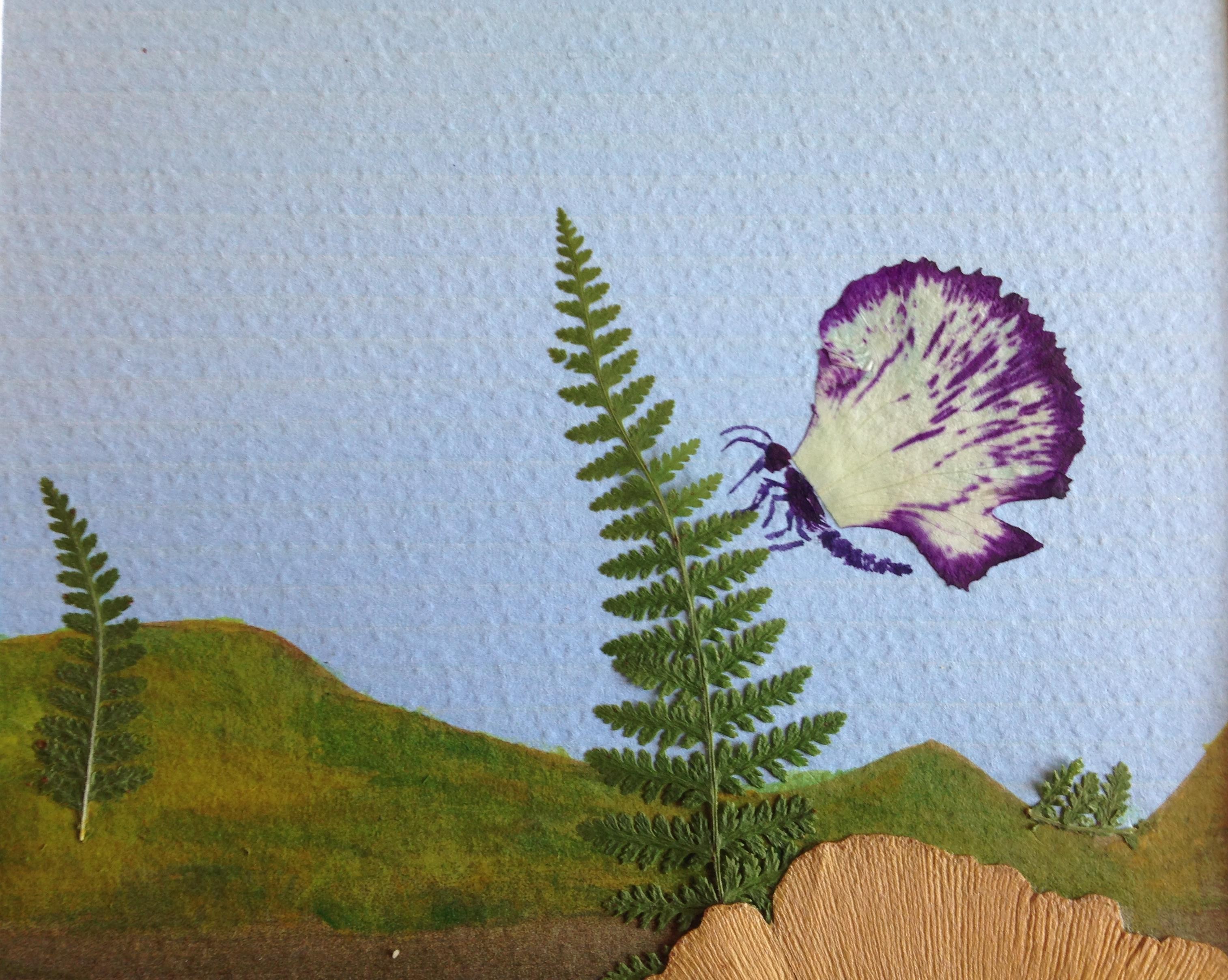
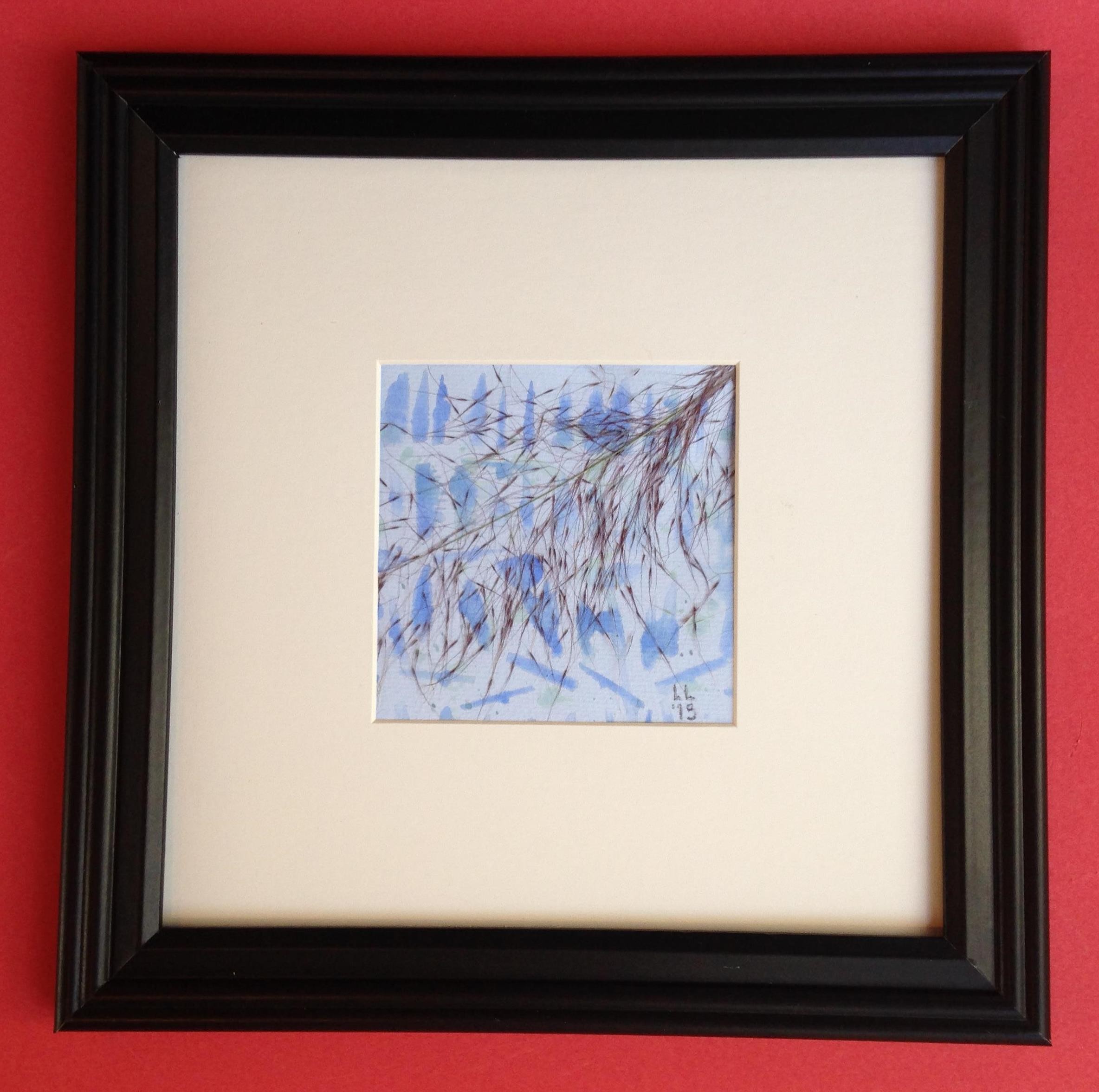
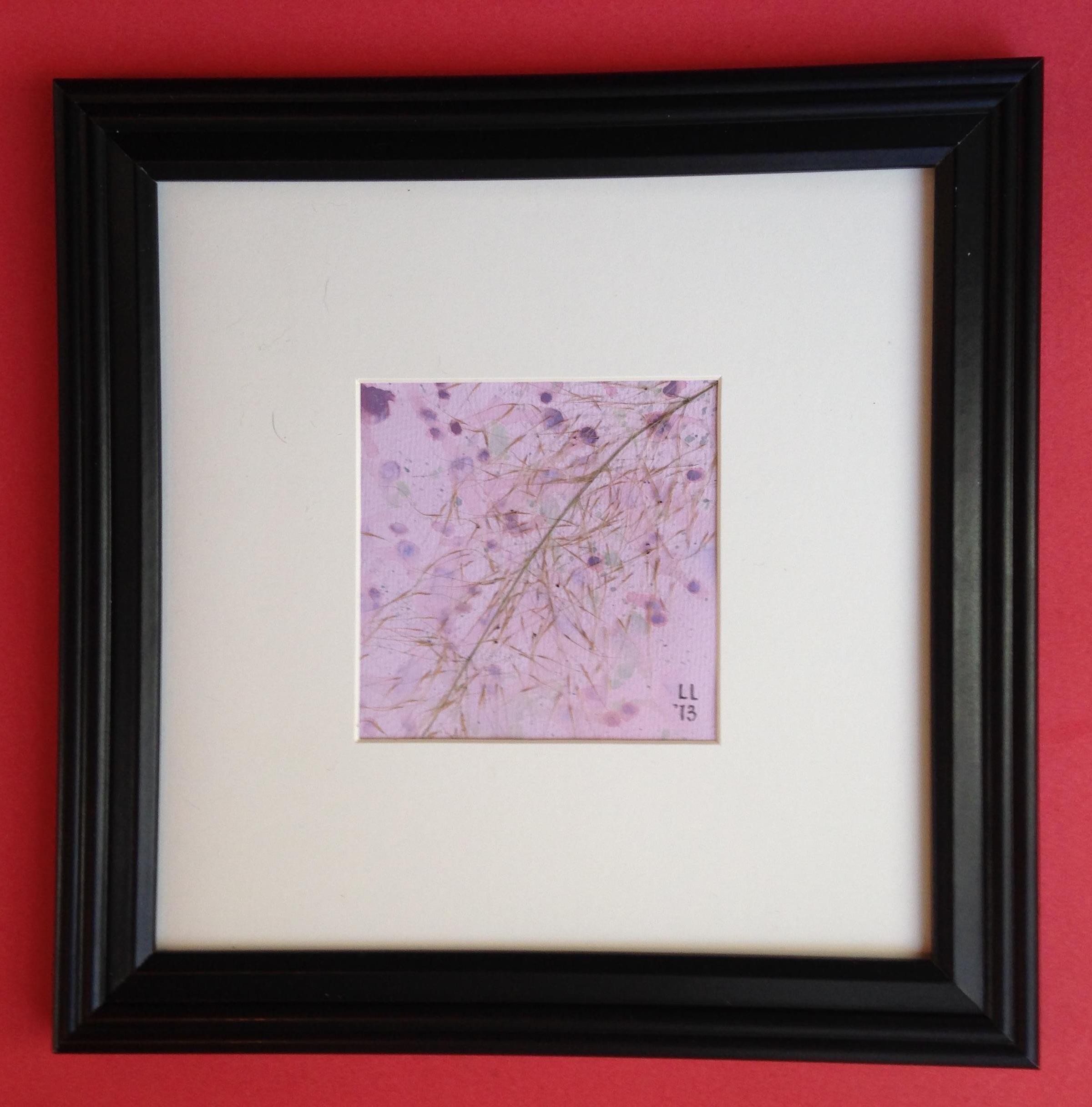
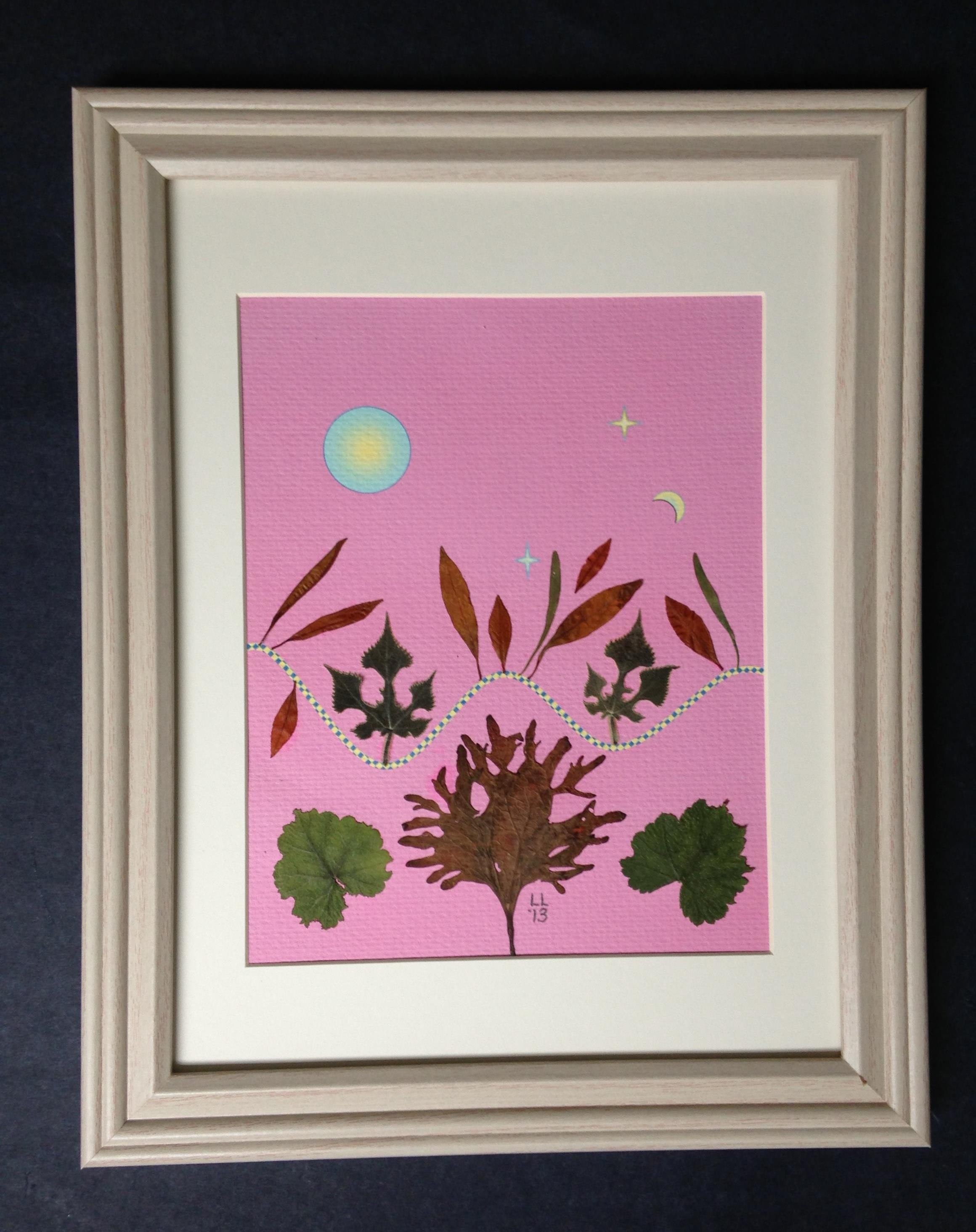
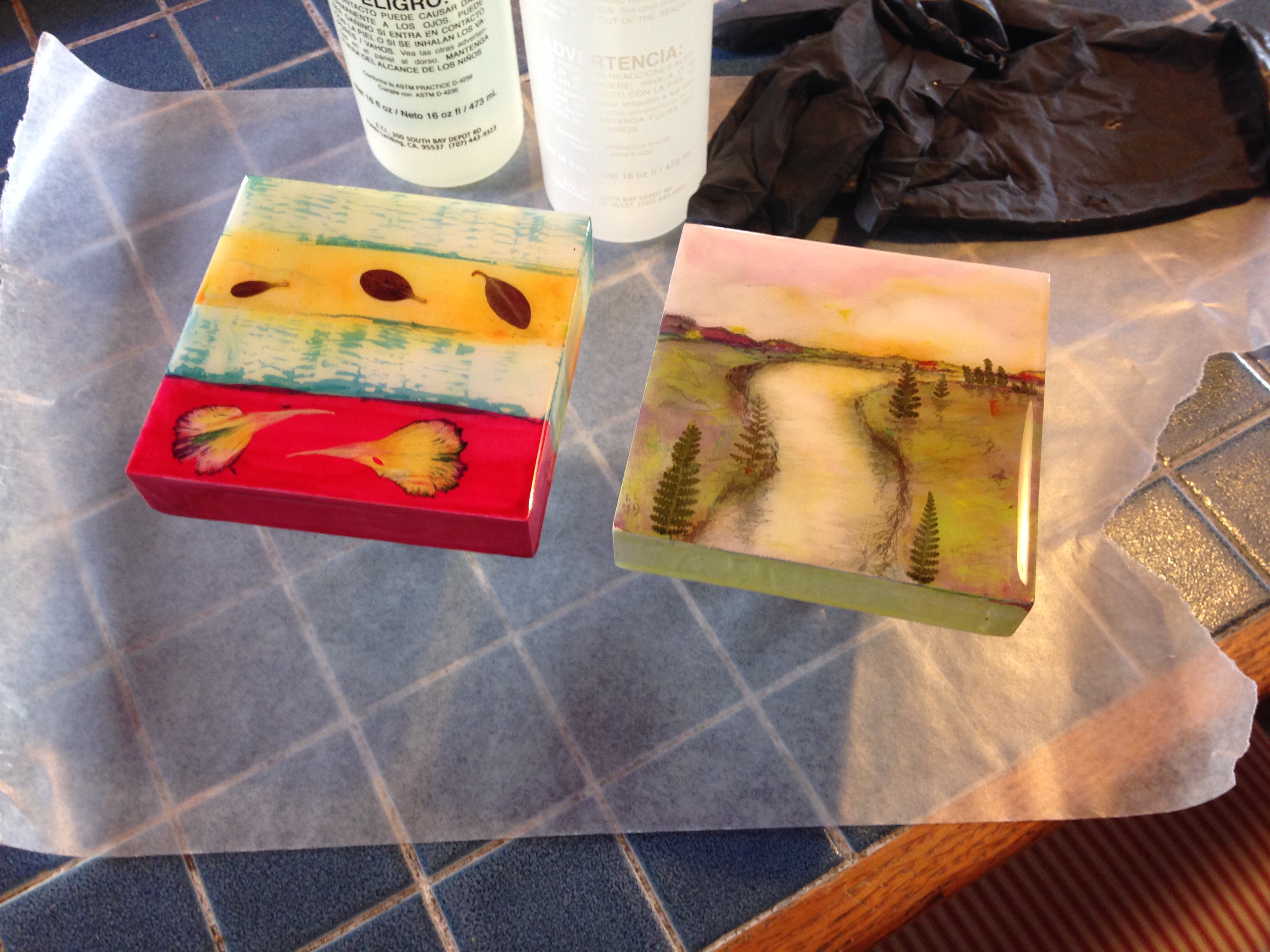
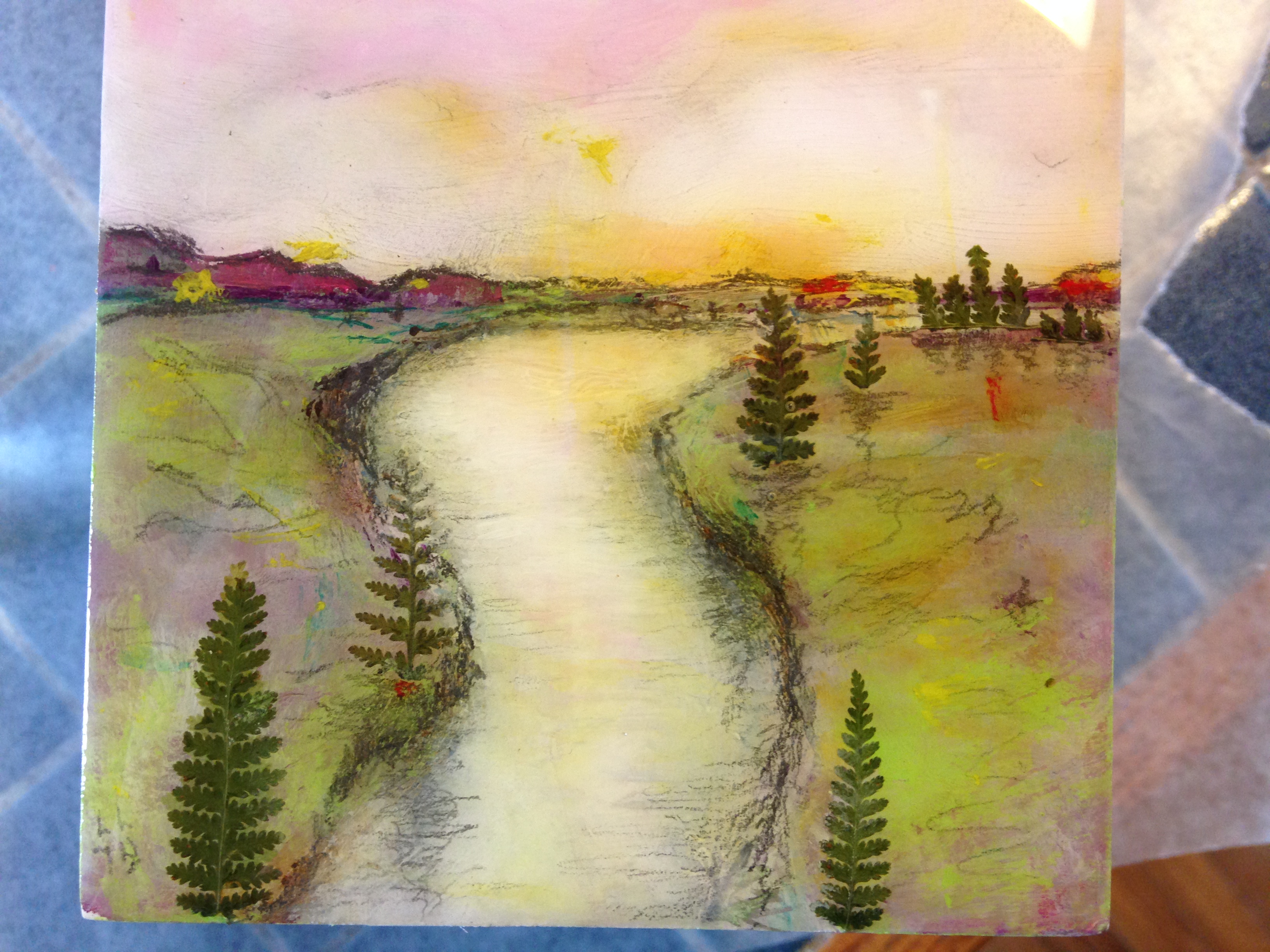
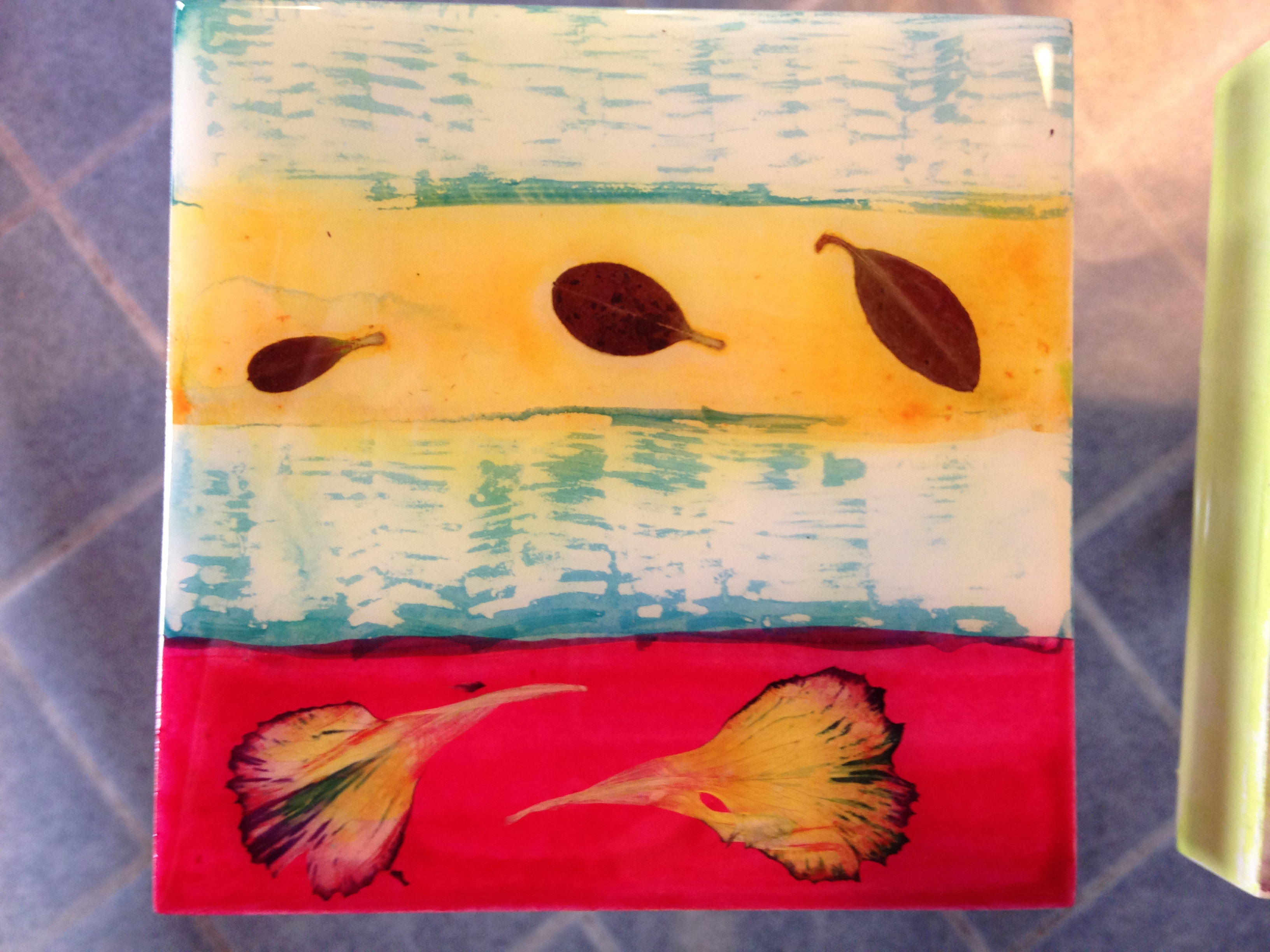
Having a great time with my new project but there’s a lot to protect. Note the latex gloves, and the waxed paper to protect my counter. Then there is the issue of my lungs. Need to upgrade to a full-on gas mask even though there are hardly any noticable fumes from the Envirotex two-part resin system I use. Better safe than sorry and I’m so happy with the process and results that I plan to gear up for a full series. This little guys are just 4″ x 4″. The abstract features azalea leaves and carnation petals, while the little landscape sticks to tried-and-true ferns. My next piece will be a boat at sea. Haven’t settled on what plant to use to represent land flora and sails. Last season, raspberry leaves made great sails, but, alas, my raspberry bush is not yet prepared to supply me with more.

I’ll be showing these at Lippett Park in Providence on May 17th, weather permitting, and at the big VIRTU art festival in Wilcox Park in Westerly, Rhode Island on Memorial Day weekend. Meanwhile they’ll be in my Etsy shop.
ARTresin1

ARTresin2

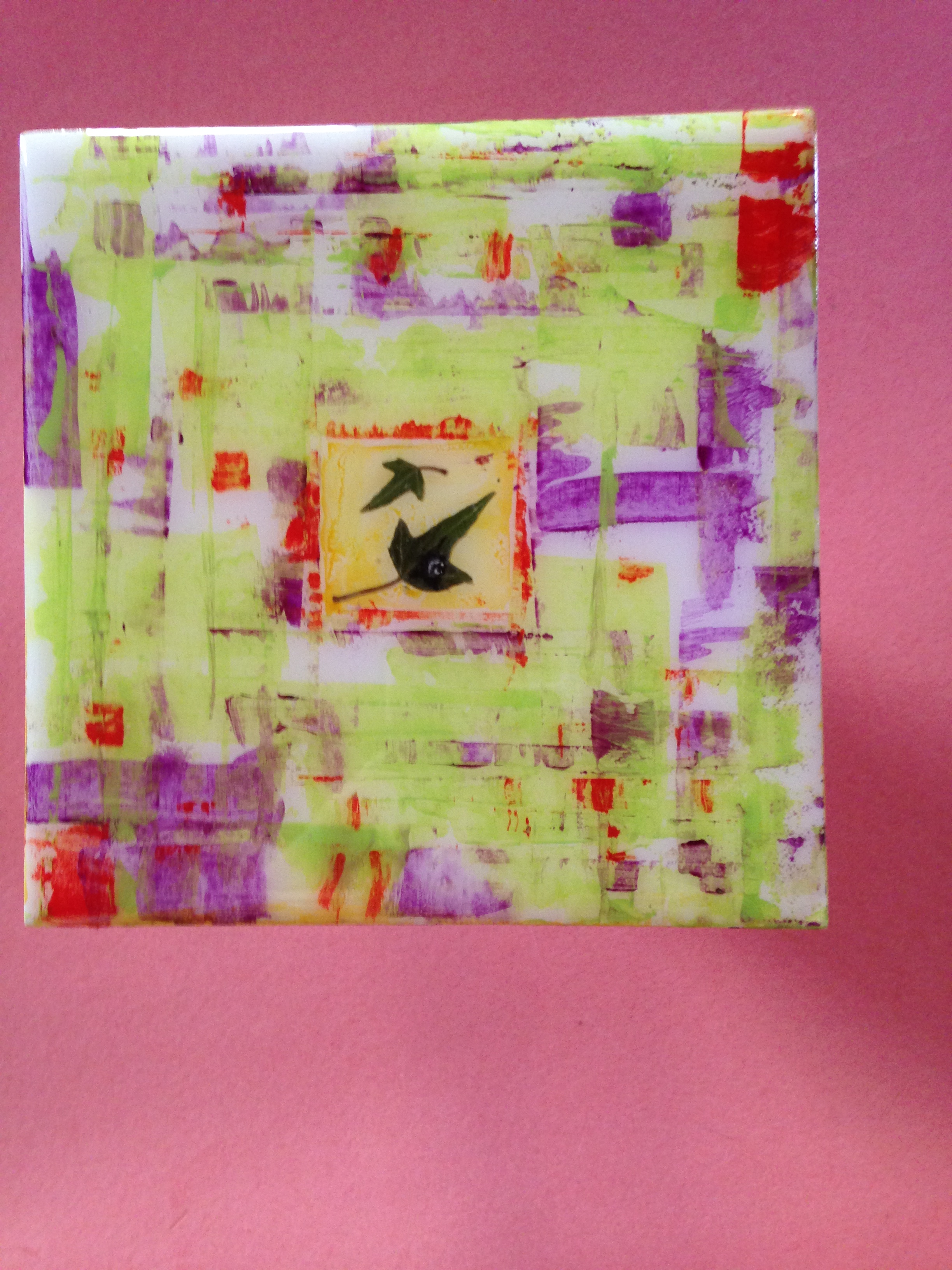
Resin is a wonderful way to preserve and enhance real botanicals, so I decided to try a few pieces on wood panel in order to provide the best possible surface for the ice-smooth resin coating. First, I painted my background on a 5″x 5″ panel. Then, I chose a plain mustard yellow for the 7/8″ sides of the cradle, and mounted my two sweet ivy leaves. Before coating the work with resin, I couldn’t resist adding a tiny ‘droplet’ of water on one of the leaves using more acrylic and a tiny signature brush.

IMG_1480_crop

My daughter, Emma and her boyfriend, Nick recently brought me some lovely flowers including some brightly colored carnations. I thought they were perfect for a trial run with my new microwave flower press — a gift from my other daughter, Shelley. The press yielded great results right out of the gate and will allow me to use more flowers in my work. ! I’m sure I will find inspiration for many designs with these pretty petals but this one was irresistible.

This piece is also a departure in that it combines computer graphics with acrylic painting for the background. I used a deep brownish yellow printed foreground to support painted grasses. The plants other than carnations are fern and ginkgo. As always, I varied the size of the fronds to create depth of field.

IMG_1367_crop

IMG_1363_crop

Until now I’ve created backgrounds for my real pressed botanicals on computer. To compliment that body of work, I recently began adding a series of acrylic paintings with similar subjects.

My last two pieces combine both disciplines. Instead of computer graphics, I have created bacgrounds on original watercolors. So far, I’m having fun with the process. I popped these two into my Etsy shop tonight and will show them next week in Stonington at the Velvet Mill.

IMG_1091_crop

Lots of people ask me questions about how I protect the color of my leaves.

The first thing I point out is that many of the leaves I used in my botanicals have already changed colors by the time the pressing process is complete. Still more, like the andromeda in the example above are harvested at various times during the season specifically to achieve variety within my collection from a single plant.

While many leaves stay close to their harvested colors during the drying process, others do not. Chartreuse sweet potato vine, for example dries to a chocolate brown with clearly visible darker brown veining. Scented geranium dries to a variety of shades from light tan to dark taupe. My first principle,then, is to embrace these changes.

Still, some plants are more likely to continue to change after mounting than others. While such changes do not detract from the beauty of the compositions in my mind, I still take steps to preserve my original colors. First, after mounting leaves on my graphics, I paint them with a specialized dried material preservative that includes UVA and UVB protenction. Next, I spray each finished composition with an acrylic finish before matting and framing. This also contains a layer of UV protection and prevents fading of the botanicals as well as the underlying graphics.

These steps, along with the use of acid-free papers, adhesives, and matting ensures that the compositions retain their beauty for many years.

IMG_1082_crop

This is my version of an arrangement of bud vases. Even this late in the season I have a nice supply of new growth, and therefore tiny leaves in my garden.

The race is on to harvest enough before the first frost.

139_crop

137_crop

This is the first of a series of small works that will highlight tiny foliage. I started with miniature ivy but plan to move on to raspberry, scented geranium shoots and other shapely miniatures. This will be a month-long project since most of these have yet to be harvested. I look forward to see them hung in a tight grouping of nine.

Meanwhile I’ll work on some graphics to highlight some large, dramatic and graceful sensitive ferns I have waiting in the hopper.

IMG_0992_crop

The birth of a new grandchild this week has put me in the mood to make a bit of children’s art. For this whimsical piece I chose plants that could have been the product of a child’s imagination – foam flower leaves and a crazy coleus on the bottom and fig leaves at the base of the two hills. The composition is rounded out with dainty little andromeda leaves.

IMG_0871_crop

I love what these undulating lines do to the look of the foliage I use. In previous versions of this basic design I’ve used feathery ferns and, in one case nothing but very tiny individual fronds. While this piece uses some ordinary ferns to balance the composition, the real stars of the show are the bold Sensitive Fern at the bottom center and individual leaf clusters from my Fringed Bleeding Heart.

IMG_0869_crop

IMG_0867_crop

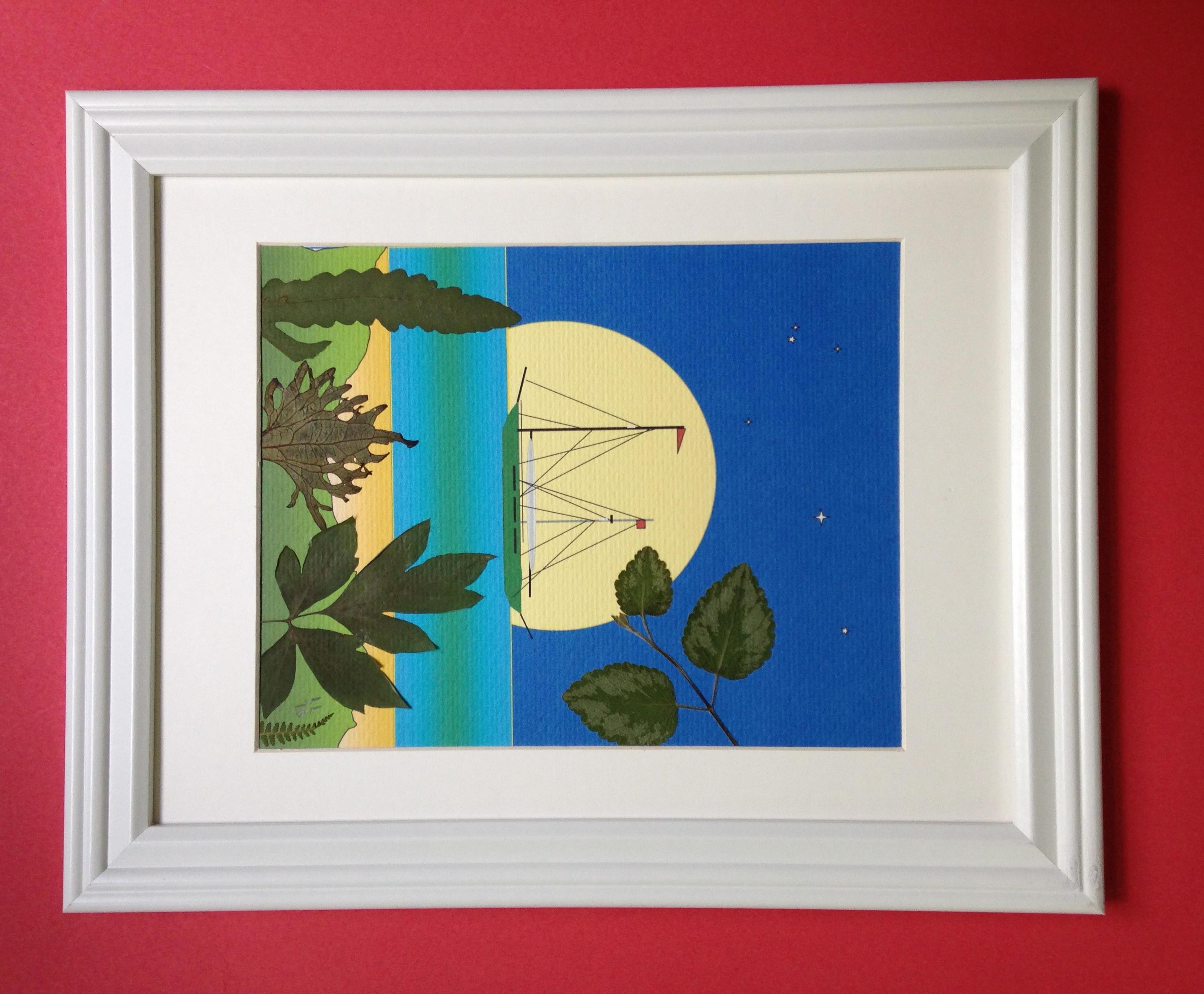
After making the larger version of this seafaring image, I changed a few details and then re-cropped it for a smaller mat. For the smaller piece I also used smaller-scale foliage and added a touch of pastel on the Yellow Archangel at the bottom of the image while leaving the same foliage in its natural state above. Swapping out the standard Bleeding Heart leaf for a smaller Fringed Bleeding Heart worked well.

Both of these are now listed in my Etsy shop.